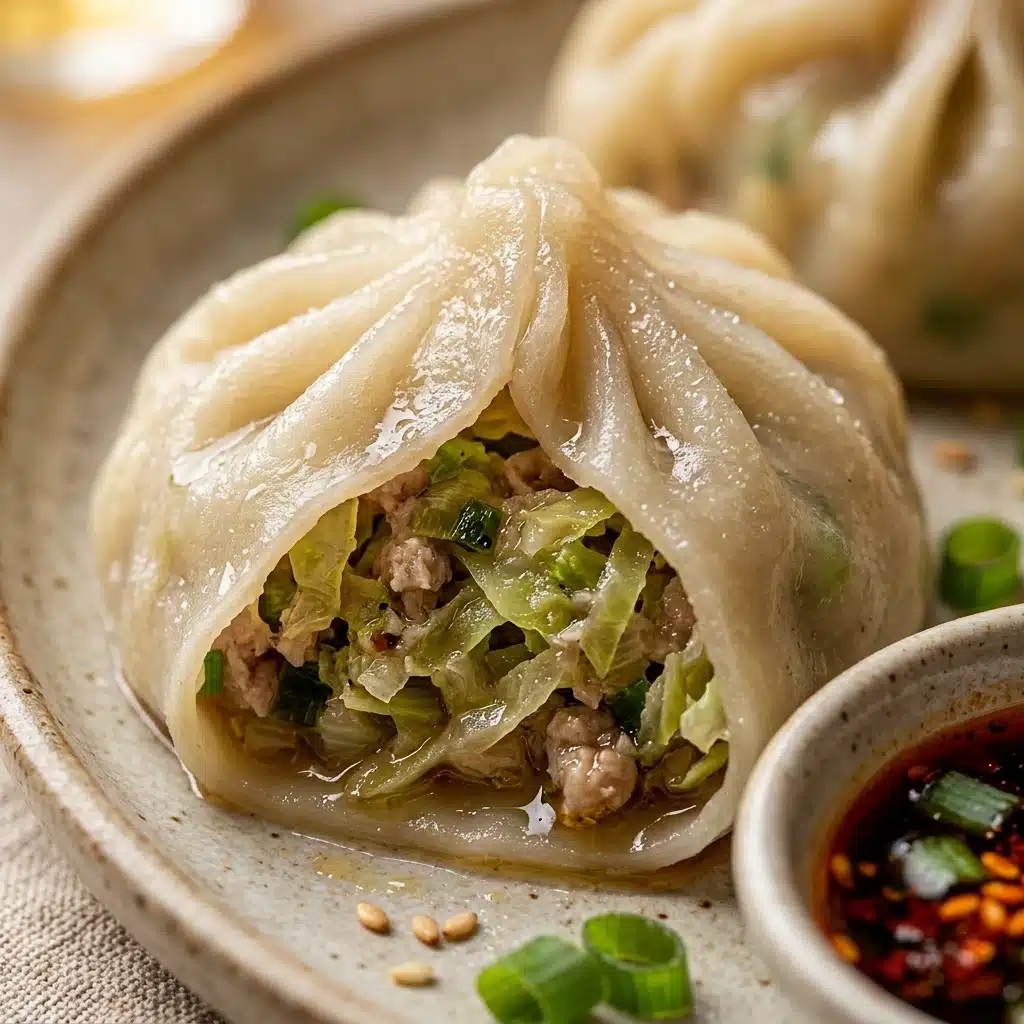
Imagine biting into a soft, warm dumpling that is bursting with savory juices and crunchy cabbage. Cabbage dumplings are a classic comfort food that brings a smile to everyone at the table. These little pockets of joy combine the earthy sweetness of fresh cabbage with seasoned ground meat and aromatic spices. When you steam or pan-fry them, the smell of ginger and sesame fills your kitchen, making it feel cozy and inviting. Whether you are looking for a fun weekend project or a healthy dinner, these dumplings are the perfect choice. They look beautiful on a plate and taste even better than they look.
Why Make This Cabbage Dumplings
Making cabbage dumplings at home is a rewarding experience for several reasons. First, they are much healthier than store-bought versions because you control every ingredient. You can use lean meat and fresh vegetables to keep things light. Second, this recipe is very budget-friendly. Cabbage is an inexpensive vegetable that provides a great bulk and crunch, making your meat go much further. Third, dumplings are a fantastic way to involve the whole family in cooking. Kids love learning how to fold the wrappers into fun shapes. Lastly, they are incredibly versatile. You can make a large batch and freeze them for those busy nights when you need a quick and delicious meal.
How to Make Cabbage Dumplings
Creating these dumplings is simpler than you might think. You start by preparing the cabbage, which is the star of the show. You need to shred it finely and remove excess moisture so the dumplings stay firm. Then, you mix the cabbage with seasoned ground beef and aromatic ingredients like garlic and ginger. Once your filling is ready, you place a small spoonful onto a dough wrapper. You seal the edges with a bit of water and fold them into neat pleats. The final step is cooking them, which usually involves pan-frying them for a crispy bottom and then steaming them to ensure the filling is juicy and fully cooked.
Ingredients
- 1 pound ground beef (lean)
- 3 cups green cabbage, very finely shredded
- 1 teaspoon salt (to drain cabbage)
- 2 cloves garlic, minced
- 1 tablespoon fresh ginger, grated
- 3 tablespoons soy sauce
- 1 tablespoon sesame oil
- 2 green onions, thinly sliced
- 1/2 teaspoon black pepper
- 1 package round dumpling wrappers (about 40-50 wrappers)
- 2 tablespoons vegetable oil (for frying)
- 1/2 cup water (for steaming)
Directions
1. Place the shredded cabbage in a large bowl and sprinkle it with one teaspoon of salt. Toss it well and let it sit for about 10 minutes. This draws out the extra water.
2. After 10 minutes, take handfuls of the cabbage and squeeze them tightly over the sink to remove as much liquid as possible. Place the dry cabbage into a clean mixing bowl.
3. Add the ground beef, minced garlic, grated ginger, soy sauce, sesame oil, sliced green onions, and black pepper to the bowl with the cabbage.
4. Use your hands or a sturdy spoon to mix everything together until the filling is well combined and slightly sticky.
5. Take one dumpling wrapper and place it in the palm of your hand. Put about one tablespoon of filling in the center of the wrapper.
6. Dip your finger in water and run it along the outer edge of the wrapper. Fold the wrapper in half and pinch the edges together to seal. You can make small pleats along the edge for a decorative look.
7. Heat the vegetable oil in a large non-stick skillet over medium heat. Place the dumplings in the pan in a single layer, ensuring they do not touch.
8. Fry the dumplings for 2 to 3 minutes until the bottoms are golden brown and crispy.
9. Carefully pour the 1/2 cup of water into the pan and immediately cover it with a tight-fitting lid. Let the dumplings steam for about 6 to 8 minutes, or until the water has evaporated and the meat is cooked through.
10. Remove the lid and let them cook for another minute to re-crisp the bottoms. Serve hot with your favorite dipping sauce.
Nutritional Information
{image_2}This recipe makes approximately 8 servings (about 5-6 dumplings per serving). The nutritional values provided are estimates based on standard ingredients.
- Calories: 285 kcal
- Total Fat: 12g
- Saturated Fat: 4g
- Cholesterol: 45mg
- Sodium: 720mg
- Total Carbohydrates: 26g
- Dietary Fiber: 2g
- Sugars: 2g
- Protein: 18g
How to Serve Cabbage Dumplings
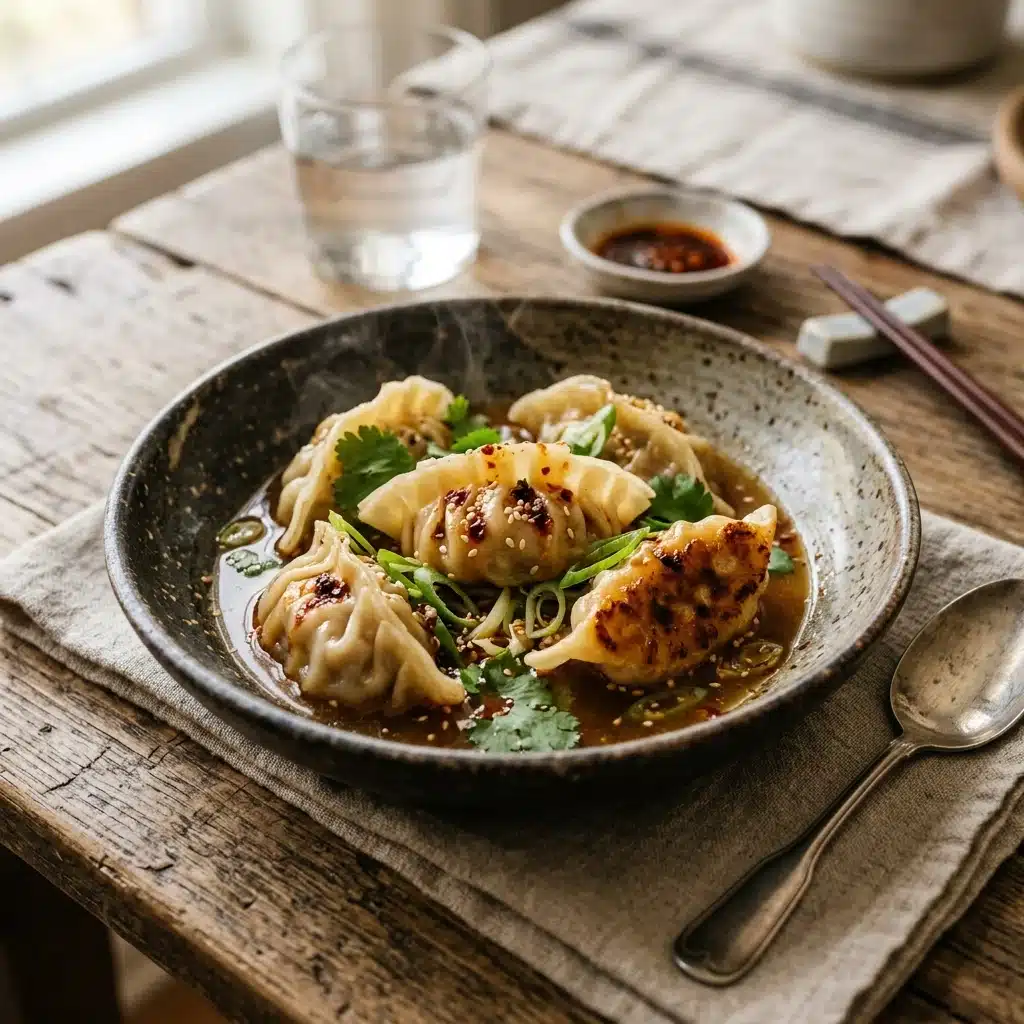
These dumplings are best served piping hot right out of the pan. Place them on a large platter with the crispy brown side facing up to show off that beautiful texture. The most important companion for these dumplings is a good dipping sauce. You can make a quick sauce by mixing soy sauce, a splash of rice vinegar, and a few drops of sesame oil. For those who like a bit of heat, add a dollop of chili garlic sauce or red pepper flakes. If you want to serve this as a full meal, pair the dumplings with a side of steamed bok choy or a light cucumber salad. They also go wonderfully with a bowl of clear vegetable broth or hot jasmine rice.
How to Store Cabbage Dumplings
If you have leftover cooked dumplings, you can store them in an airtight container in the refrigerator for up to 3 days. To reheat them, it is best to pan-fry them again with a tiny bit of oil to bring back the crispiness. You can also microwave them for a minute, but the texture will be softer. If you want to make them ahead of time, you can freeze uncooked dumplings. Place the raw dumplings on a baking sheet in a single layer and freeze them until solid. Once frozen, transfer them to a freezer bag. They will keep well for up to 3 months. When you are ready to eat, you can cook them directly from frozen by adding a few extra minutes to the steaming time.
Expert Tips for Perfect Cabbage Dumplings
The secret to a great dumpling is managing the moisture. Always salt your cabbage and squeeze it dry; otherwise, the filling will be watery and the wrappers might tear. When you are filling the wrappers, try not to overstuff them. If there is too much filling, the edges won’t seal properly, and the dumpling might burst during cooking. Keep your unused wrappers covered with a damp paper towel while you work so they don’t dry out and become brittle. When frying, make sure your pan is hot before adding the oil and dumplings to ensure a perfect golden crust. Finally, use fresh ginger rather than powdered ginger; it provides a bright, zingy flavor that makes the dish taste authentic.
Delicious Variations
You can easily customize this recipe to suit your taste. For a lighter version, replace the ground beef with ground chicken or turkey. If you love mushrooms, finely chop some shiitake mushrooms and mix them into the filling for an extra earthy flavor. You can also add shredded carrots for a touch of sweetness and color. If you prefer a vegetarian option, replace the meat with crumbled firm tofu and extra vegetables like spinach or water chestnuts. For a spicy kick, add a teaspoon of red chili paste directly into the meat mixture. You can even experiment with different cooking methods, such as boiling them in a flavorful broth to make a comforting dumpling soup.
Frequently Asked Questions
1. Can I use store-bought wrappers for these dumplings?
Yes, store-bought round dumpling or gyoza wrappers work perfectly for this recipe and save a lot of time.
2. Why did my dumplings fall apart while cooking?
This usually happens if the edges were not sealed tightly enough or if the wrapper was overfilled. Use a bit of water to help “glue” the edges together.
3. Can I use purple cabbage instead of green?
You can, but be aware that purple cabbage will turn the filling and the inside of the wrapper a pink or purple color. It still tastes great!
4. Do I have to use ground beef?
No, you can use ground chicken, ground turkey, or even finely chopped shrimp as a substitute for beef.
5. How do I know when the dumplings are fully cooked?
The wrappers will look translucent, and the meat inside will feel firm. Steaming for 6-8 minutes is usually enough for the filling to reach a safe temperature.
6. Can I bake these instead of frying them?
While you can bake them at 400°F (200°C) for about 15 minutes, they won’t have the same juicy texture as pan-fried and steamed dumplings.
7. What if I can’t find fresh ginger?
You can use ginger paste found in tubes at the grocery store, but fresh ginger is always recommended for the best flavor.
8. Is it necessary to salt the cabbage?
Yes, this is a crucial step. It prevents the dumplings from becoming soggy and helps the flavors concentrate.
9. Can I make the filling a day in advance?
Absolutely. You can mix the filling and keep it in the fridge for up to 24 hours. Just wait to wrap them until you are ready to cook.
10. How many dumplings does one person usually eat?
As a main course, most adults will eat between 6 and 10 dumplings. For an appetizer, 3 or 4 per person is usually enough.
Conclusion
Cabbage dumplings are a delicious, healthy, and satisfying meal that anyone can master. They offer a wonderful combination of textures—crispy on the bottom and tender on the top. By following these simple steps, you can create a restaurant-quality dish in the comfort of your own home. Not only are they fun to make, but they are also a great way to enjoy fresh ingredients in a creative way. We hope you feel inspired to try this recipe and share it with your loved ones. Once you taste that first juicy bite, you will want to make them again and again. Happy cooking, and don’t forget to let us know how your dumplings turned out!
Cabbage Dumplings
- Total Time: 30 minutes
- Diet: None
Ingredients
- Refer to article content.
Instructions
- See article directions list.
- Cook Time: 30 minutes