Finding the perfect centerpiece for your Hanukkah celebration can feel like a big task, but nothing beats a slow braised beef brisket. This dish fills your home with a rich, savory aroma that builds excitement for the meal ahead. The meat becomes incredibly tender, soaking up all the flavors of the vegetables and broth. It is a hearty, comforting meal that brings everyone together around the holiday table. The best part is that it tastes even better the next day, making it the perfect stress-free recipe for busy hosts.
Why Make This Slow Braised Beef Brisket For Hanukkah
You should make this brisket because it is practically foolproof and yields spectacular results. The slow cooking process transforms a tough cut of meat into something that melts in your mouth. It is also a very practical choice for feeding a large group of family and friends. Because the flavors deepen over time, you can prepare it a day in advance, which saves you time during the actual celebration. This recipe uses simple, wholesome ingredients to create a deep, complex sauce that pairs perfectly with traditional sides like latkes or kasha varnishkes. Your guests will love the savory, slightly sweet profile and the velvety texture of the beef.
How to Make Slow Braised Beef Brisket For Hanukkah
Making this brisket is all about patience and layering flavors. You start by searing the meat to lock in the juices and create a beautiful brown crust. This step is vital for a deep, roasted flavor. Next, you sauté a base of aromatic vegetables like onions, carrots, and celery until they are soft and fragrant. You will then build a braising liquid using beef stock, tomato paste, and a touch of sweetness from honey. The brisket goes back into the pot and cooks slowly at a low temperature. This long, gentle heat breaks down the connective tissues, resulting in a fork-tender finish. Finally, you slice the meat against the grain to ensure every bite is soft and easy to eat.
Ingredients
- 4 to 5 pounds beef brisket (second cut or flat cut)
- 3 large yellow onions, thinly sliced
- 4 large carrots, peeled and cut into rounds
- 3 stalks celery, chopped
- 6 cloves garlic, minced
- 2 cups beef stock
- 1 cup pomegranate juice (as a flavorful non-alcoholic substitute)
- 1/4 cup tomato paste
- 2 tablespoons honey
- 2 tablespoons balsamic vinegar
- 3 sprigs fresh thyme
- 2 sprigs fresh rosemary
- 2 bay leaves
- Salt and black pepper to taste
- 3 tablespoons vegetable oil
Directions
1. Preheat your oven to 325°F (165°C). Pat the beef brisket dry with paper towels and season both sides generously with salt and black pepper.
2. Heat the vegetable oil in a large oven-safe Dutch oven or heavy pot over medium-high heat. Sear the brisket until it is deeply browned on both sides, about 6 to 8 minutes per side. Remove the meat and set it aside on a plate.
3. In the same pot, add the sliced onions. Cook them over medium heat, stirring occasionally, until they are soft and golden brown. This should take about 10 to 12 minutes.
4. Add the carrots, celery, and garlic to the onions. Cook for another 5 minutes until the vegetables begin to soften.
5. Stir in the tomato paste and cook for 2 minutes to deepen its flavor. Pour in the pomegranate juice and balsamic vinegar, using a wooden spoon to scrape up any browned bits from the bottom of the pot.
6. Stir in the beef stock and honey. Return the brisket to the pot, along with any juices that collected on the plate. Place the thyme, rosemary, and bay leaves around the meat. The liquid should come about halfway up the side of the beef.
7. Cover the pot with a tight-fitting lid. Place it in the oven and braise for 3 to 4 hours, or until the meat is very tender when pierced with a fork.
8. Once finished, remove the brisket from the pot and let it rest on a cutting board for at least 20 minutes. This helps the juices redistribute so the meat stays moist.
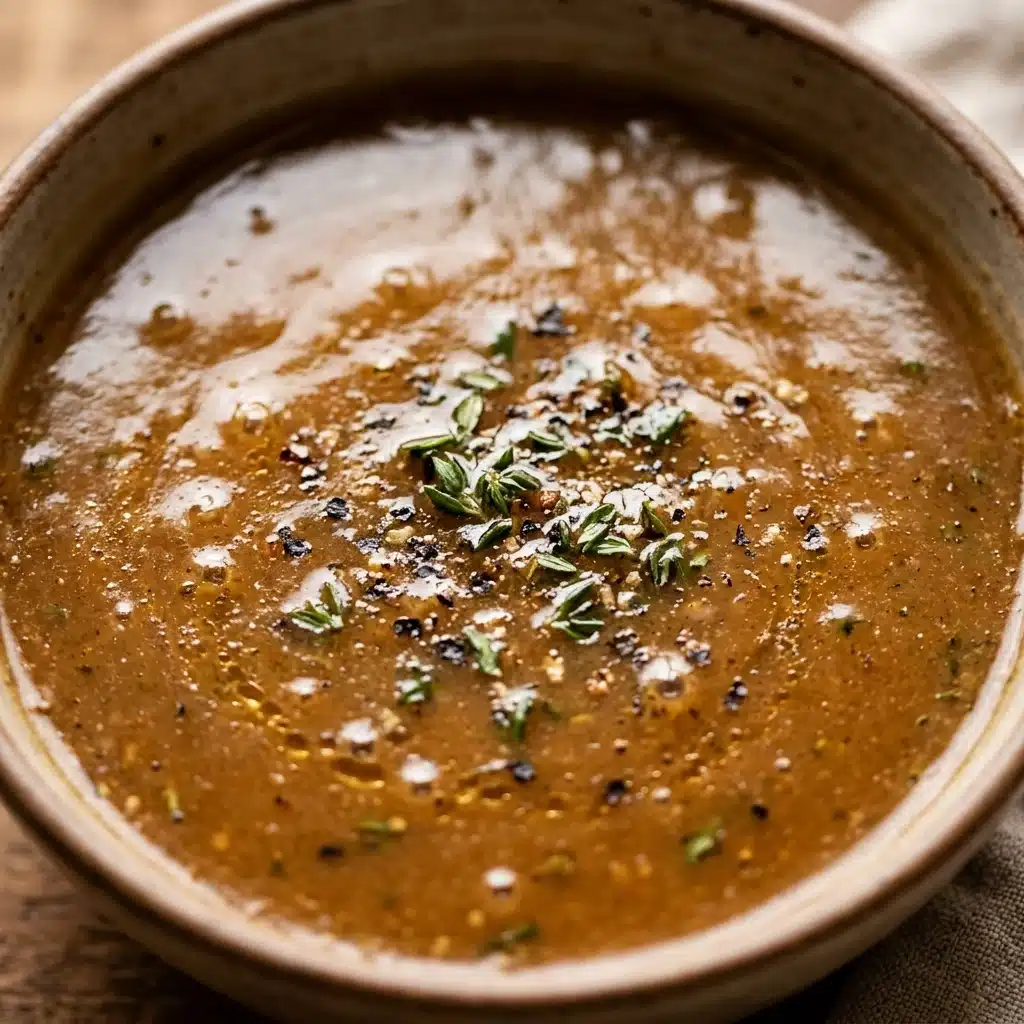
9. While the meat rests, you can strain the cooking liquid to make a smooth gravy or leave the vegetables in for a rustic feel. If the sauce is too thin, simmer it on the stove for a few minutes to thicken it.
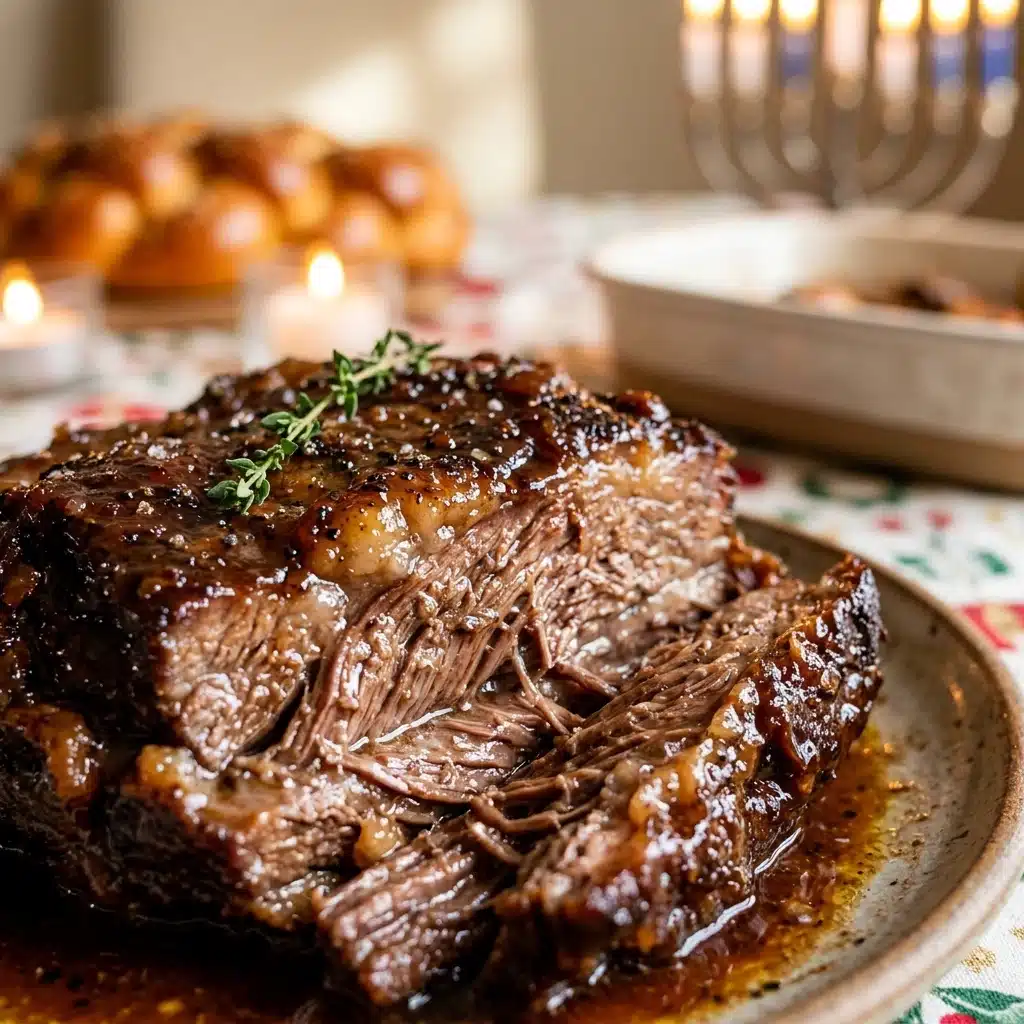
10. Slice the brisket against the grain into thin slices. Arrange the slices on a platter and pour the warm sauce and vegetables over the top before serving.
Nutritional Information
{image_2}This nutritional estimate is per serving (based on 10 servings):
- Calories: 480 kcal
- Total Fat: 28g
- Saturated Fat: 10g
- Cholesterol: 115mg
- Sodium: 650mg
- Total Carbohydrates: 14g
- Dietary Fiber: 2g
- Sugars: 9g
- Protein: 42g
How to Serve Slow Braised Beef Brisket For Hanukkah
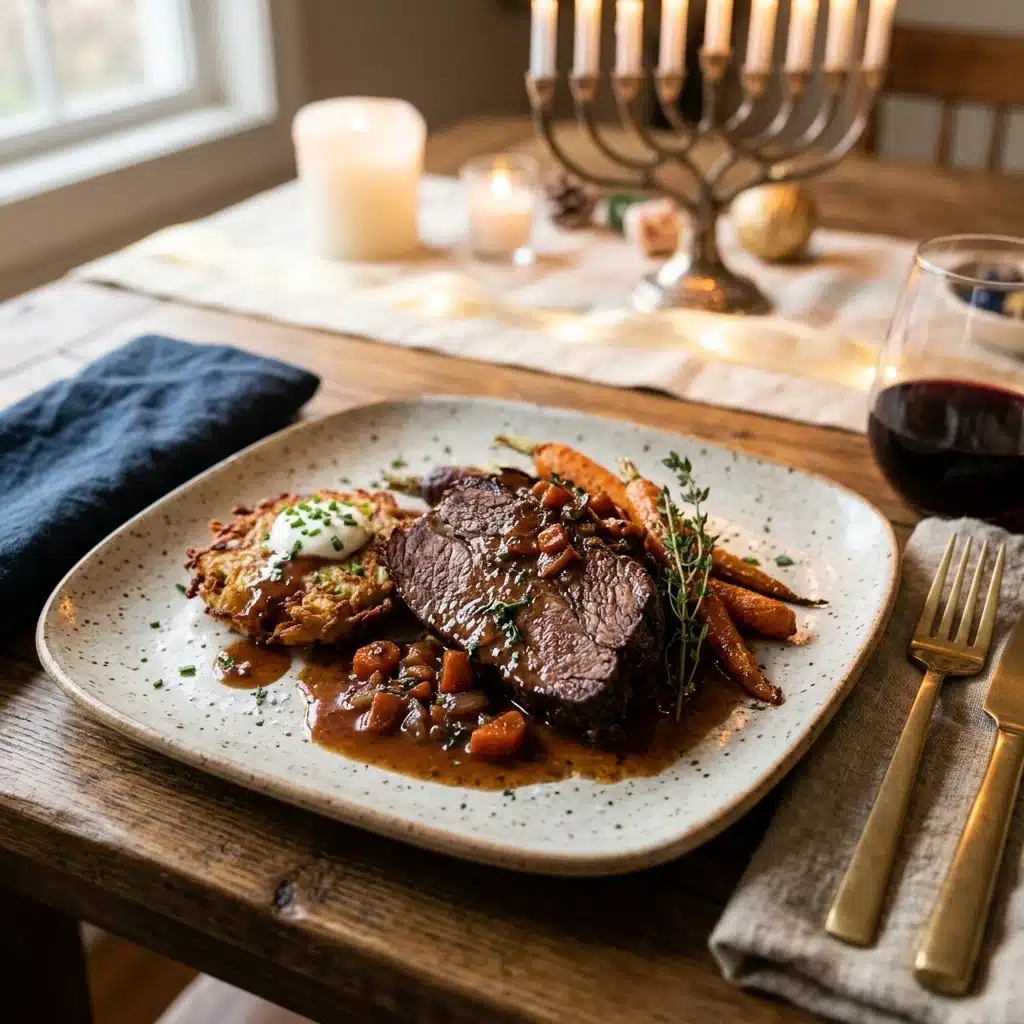
This brisket is the star of the show, so it deserves great side dishes. Traditionally, it is served alongside crispy potato latkes. The savory gravy from the brisket is perfect for dipping the latkes. You can also serve it with a side of tsimmes, which is a sweet dish made of carrots and dried fruits. For a lighter touch, a crisp green salad with a lemon vinaigrette helps cut through the richness of the meat. Roasted root vegetables or a fluffy bowl of mashed potatoes are also excellent choices. Always serve the brisket warm, with plenty of the extra braising liquid poured over the meat to keep it succulent.
How to Store Slow Braised Beef Brisket For Hanukkah
If you have leftovers, you are in luck! Brisket stores wonderfully. Place the meat and the sauce in an airtight container and keep it in the refrigerator for up to 4 days. In fact, many people prefer eating it the next day because the flavors have more time to blend. To freeze, wrap the cooled brisket tightly in foil or place it in a freezer-safe bag with the sauce. It will stay fresh for up to 3 months. When you are ready to eat it, thaw it in the fridge overnight. Reheat it slowly in the oven at 300°F, covered, with a little extra broth to prevent it from drying out.
Expert Tips for Perfect Slow Braised Beef Brisket For Hanukkah
For the best results, always slice your brisket against the grain. If you look closely at the meat, you will see the muscle fibers running in one direction. Cutting perpendicular to these fibers ensures the meat is tender rather than chewy. Another tip is to cook the brisket a day early. Once it cools in the fridge, the fat will solidify on top, making it very easy to scrape off and discard. This leaves you with a cleaner, lighter sauce. Also, don’t rush the searing process. Getting a dark brown crust on the beef provides a huge amount of flavor that you cannot get from simmering alone. If your sauce feels too thin at the end, simply whisk in a little bit of cornstarch mixed with cold water and simmer until thickened.
Delicious Variations
You can easily customize this brisket to suit your taste. For a “Sweet and Sour” version, add a bit more honey and a splash of apple cider vinegar or lemon juice. If you like more texture, add a pound of sliced mushrooms along with the onions for an earthy flavor. For a fruitier twist, add dried apricots or prunes to the pot during the last hour of cooking; they will soften and add a wonderful sweetness to the sauce. If you prefer a bit of heat, a pinch of red pepper flakes or a tablespoon of prepared horseradish stirred into the finished sauce adds a nice kick. You can also swap the pomegranate juice for cranberry juice for a tart, festive flavor profile.
Frequently Asked Questions
1. What is the best cut of brisket to use?
The “second cut” (or point) has more fat and is more flavorful and tender. The “flat cut” is leaner and easier to slice neatly. Both work well for this recipe.
2. Why is my brisket still tough after 3 hours?
Brisket is a very tough muscle. If it is still hard, it simply needs more time. Put the lid back on and cook it for another 30 to 60 minutes.
3. Can I make this in a slow cooker?
Yes! Sear the meat and sauté the veggies first, then place everything in the slow cooker on low for 8 to 10 hours.
4. How do I know which way the grain runs?
Look for the long lines of muscle fiber. Before you cook the meat, you can cut a tiny notch in the corner to remind yourself which way to slice later.
5. Do I need to cover the pot in the oven?
Yes, a tight lid is essential. It traps the moisture inside, which creates the steam needed to soften the meat.
6. Can I use dried herbs instead of fresh?
Yes, you can. Use about 1 teaspoon of dried thyme and 1/2 teaspoon of dried rosemary if you don’t have fresh ones.
7. My sauce is too salty, what should I do?
You can add a peeled, halved potato to the sauce and simmer it for 15 minutes. The potato will absorb some of the salt. You can also add a splash of water or a little more honey.
8. Is it okay to cook the brisket at a higher temperature to save time?
It is not recommended. High heat will make the muscle fibers tighten and become tough. Low and slow is the secret to success.
9. Should the fat side be up or down?
Cook the brisket with the fat side facing up. As the fat melts, it bastes the meat and keeps it moist.
10. Can I use something else instead of pomegranate juice?
Yes, you can use extra beef stock, apple juice, or even a bit of dark grape juice for a similar depth of flavor.
Conclusion
This slow braised beef brisket for Hanukkah is more than just a meal; it is a tradition in every bite. With its tender texture and rich, savory sauce, it is sure to become a requested favorite for years to come. The simplicity of the ingredients combined with the slow cooking method ensures a delicious result every time. Whether you are hosting a large gathering or a small family dinner, this brisket brings warmth and joy to the table. Give this recipe a try this holiday season and see how it delights your loved ones. We would love to hear how your brisket turned out—feel free to share your experience and any special twists you added in the comments below!
Slow Braised Beef Brisket For Hanukkah
- Total Time: 4 hours 45 minutes
- Diet: Gluten-Free
Ingredients
- 4 to 5 pounds beef brisket (second cut or flat cut)
- 3 large yellow onions, thinly sliced
- 4 large carrots, peeled and cut into rounds
- 3 stalks celery, chopped
- 6 cloves garlic, minced
- 2 cups beef stock
- 1 cup pomegranate juice (as a flavorful non-alcoholic substitute)
- 1/4 cup tomato paste
- 2 tablespoons honey
- 2 tablespoons balsamic vinegar
- 3 sprigs fresh thyme
- 2 sprigs fresh rosemary
- 2 bay leaves
- Salt and black pepper to taste
- 3 tablespoons vegetable oil
Instructions
- Preheat your oven to 325°F (165°C). Pat the beef brisket dry with paper towels and season both sides generously with salt and black pepper.
- Heat the vegetable oil in a large oven-safe Dutch oven or heavy pot over medium-high heat. Sear the brisket until it is deeply browned on both sides, about 6 to 8 minutes per side. Remove the meat and set it aside on a plate.
- In the same pot, add the sliced onions. Cook them over medium heat, stirring occasionally, until they are soft and golden brown. This should take about 10 to 12 minutes.
- Add the carrots, celery, and garlic to the onions. Cook for another 5 minutes until the vegetables begin to soften.
- Stir in the tomato paste and cook for 2 minutes to deepen its flavor. Pour in the pomegranate juice and balsamic vinegar, using a wooden spoon to scrape up any browned bits from the bottom of the pot.
- Stir in the beef stock and honey. Return the brisket to the pot, along with any juices that collected on the plate. Place the thyme, rosemary, and bay leaves around the meat. The liquid should come about halfway up the side of the beef.
- Cover the pot with a tight-fitting lid. Place it in the oven and braise for 3 to 4 hours, or until the meat is very tender when pierced with a fork.
- Once finished, remove the brisket from the pot and let it rest on a cutting board for at least 20 minutes. This helps the juices redistribute so the meat stays moist.
- While the meat rests, you can strain the cooking liquid to make a smooth gravy or leave the vegetables in for a rustic feel. If the sauce is too thin, simmer it on the stove for a few minutes to thicken it.
- Slice the brisket against the grain into thin slices. Arrange the slices on a platter and pour the warm sauce and vegetables over the top before serving.
- Cook Time: 4 hours 45 minutes